In our hustle-driven culture, the crucial role of sleep in maintaining our mental and physical health often goes unnoticed. Yet, this silent and vital process is key to understanding the relationship between sleep disorders, opens in a new tab and depression, opens in a new tab – two conditions that deeply impact our wellbeing.
Sleep disorders are not just minor disturbances. They are medical conditions that play a role in our emotional state, energy levels, and overall health. Similarly, depression is more than just a state of mind. It’s a condition that disrupts sleep patterns, affecting every aspect of our daily lives.
In this post, we examine how these conditions intersect and what this means for people suffering from them.
Exploring the depths of sleep disorders
Sleep disorders affect up to an estimated 70 million people globally. These disorders, each unique in their symptoms and impact, significantly impact the restorative process of sleep:
- Insomnia: Difficulty in falling or staying asleep due to increased heart rate, higher body temperatures, or increased cortisol. Insomnia often leads to persistent tiredness, opens in a new tab.
- Sleep Apnea: Characterized by pauses in breathing or shallow breaths during sleep, often due to the brain failing to communicate effectively with breathing muscles. Symptoms, opens in a new tab can include loud snoring, reduced focus, and excessive daytime sleepiness.
- Narcolepsy: Uncontrollable need to sleep due to excessive tiredness caused by the brain’s inability to regulate the sleep-wake cycle. Symptoms, opens in a new tab include sleep paralysis, excessive daytime sleepiness (EDS), and sleep-related hallucinations.
-
Restless Leg Syndrome (RLS): An overwhelming urge to move the legs, often disrupting sleep. This disorder can be linked to pregnancy, iron deficiency, and certain medications.
Physiological repair and emotional processing
During deep sleep, opens in a new tab, our bodies undergo various stages, each with distinct functions. From the light sleep of the early stages to the deep REM (Rapid Eye Movement) sleep, our body repairs itself, consolidates memories, opens in a new tab, and processes emotions. When these stages are disrupted, the consequences of lack of sleep extend far beyond tiredness, opens in a new tab.
Cognitive and emotional effects of sleep disorders
Lack of quality sleep, opens in a new tab impairs brain functions like concentration and decision-making. It also affects emotional stability, leading to irritability and mood swings.
Physical health risks of sleep disorders
Research shows chronic sleep deprivation, opens in a new tab is linked to serious health conditions, including heart disease, diabetes, and obesity.
Additionally, the impact of sleep disorders goes beyond physical health, seeping into every facet of our daily lives. It can strain relationships, reduce productivity at work, and diminish the overall quality of life. The mental fog, irritability, and lack of energy that often accompany sleep disorders can turn everyday tasks into Herculean efforts.
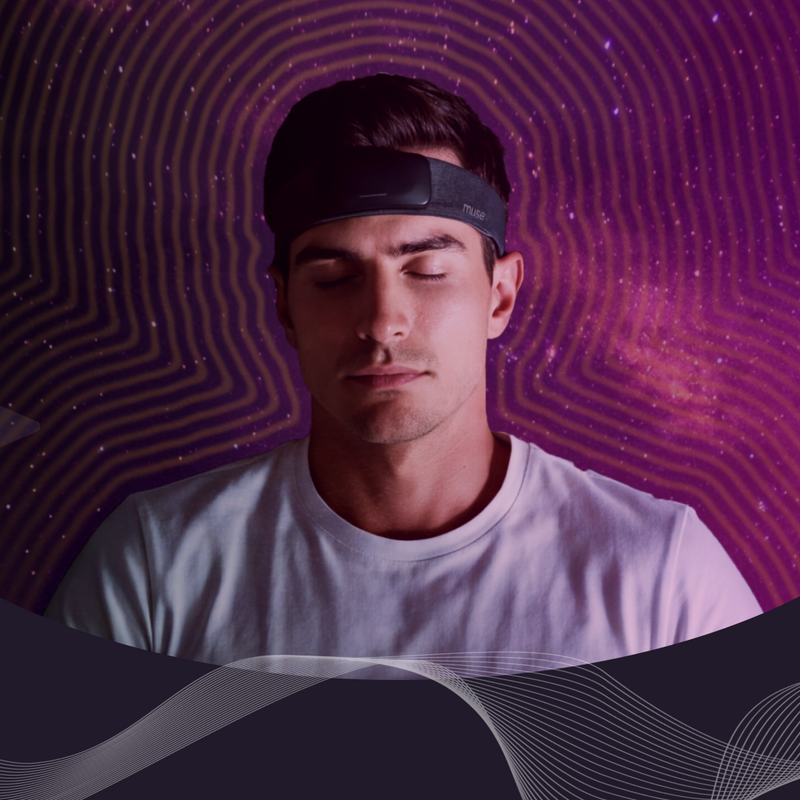
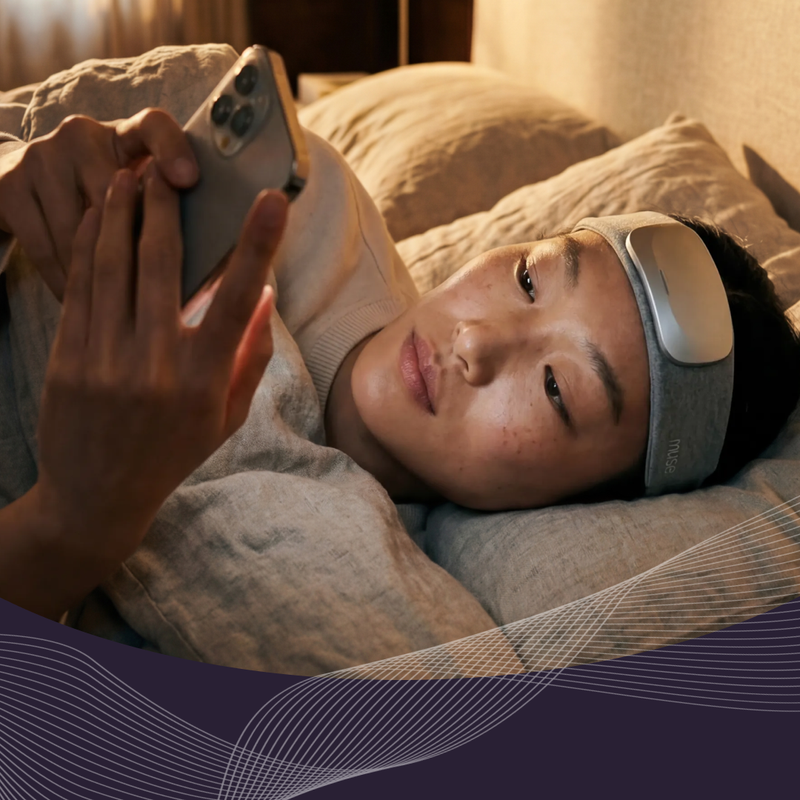
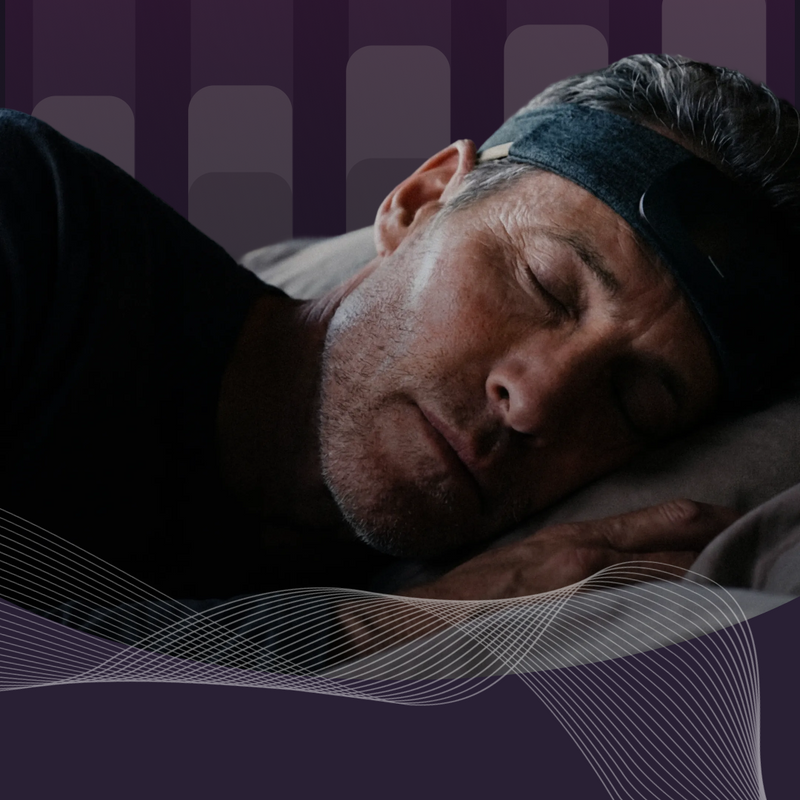
Enter the Muse S headset, opens in a new tab. This advanced EEG technology-based device does more than track sleep – it offers in-depth insights into the quality and structure of sleep. The research and engineering team at InteraXon has extensively tested, opens in a new tab the Muse S headset, achieving an 86% accuracy in identifying different sleep stages, showcasing a substantial agreement with sleep expert analyses.
By monitoring brainwaves, breathing patterns, and movements during sleep, the Muse S EEG device goes beyond the boundaries of traditional sleep-tracking devices. It offers a solution that bridges the gap between medical-grade diagnostics and the everyday user’s need for personal, long-term sleep health management. This balance makes the Muse S headband a comprehensive system for understanding and improving sleep quality.

Depression: The unseen battle
Depression, opens in a new tab is a common but often overlooked mental health condition, affecting millions globally. Its pervasiveness and impact can be profound, touching every aspect of an individual’s life. Understanding depression, opens in a new tab, its risk factors, symptoms, and its effects is essential in addressing this widespread challenge.
Depression is more than just a fleeting feeling of sadness. It’s a complex mental health disorder characterized by a range of symptoms that can significantly impact daily life:
- Emotional symptoms: Persistent feelings of sadness, hopelessness, and a loss of interest in previously enjoyed activities.
- Physical symptoms: Changes in appetite or weight, sleep disturbances, and a decrease in energy.
-
Cognitive symptoms: Difficulty concentrating, making decisions, and persistent negative thoughts.
The intricate link: Sleep and mental health
The relationship between depression and sleep is complex and two-way. This connection, opens in a new tab is anchored in the intricate workings of our brain and its response to internal and external stimuli.
At the heart of this relationship is the role of sleep in regulating neurotransmitters in the brain, chemicals responsible for our mood and emotional wellbeing. Serotonin and dopamine, opens in a new tab, often referred to as ‘feel-good’ neurotransmitters, opens in a new tab, are significantly affected by our sleep patterns. Getting enough sleep ensures the balance of these chemicals, while sleep disturbances can lead to their imbalance, contributing to the symptoms of depression.
Sleep issues commonly associated with depression include insomnia, hypersomnia, and obstructive sleep apnea. Strikingly, approximately 40% of people with insomnia have clinical depression and up to 80% of patients with depression experience bouts of insomnia. This statistic highlights the deep connection between sleep disorders with depressive conditions.
Sleep is not just a period of rest for the brain but a time for processing and consolidating our day’s experiences and emotions. Disruptions in sleep patterns can lead to an inability to process these emotions effectively, often resulting in heightened feelings of stress and anxiety, which are closely linked to depression.
This link can be thought of as similar to the relationship between physical health and nutrition, opens in a new tab. Just as a balanced diet is essential for physical wellbeing, balanced sleep is crucial for mental health. When our sleep is disturbed, it’s like eating an unhealthy diet – our mental health, like our physical health, starts to deteriorate.
Sleep disorders can be considered ‘nutritional deficiencies’ for the brain. Conditions like insomnia or sleep apnea deprive the brain of the nutrients it needs to function optimally, leading to symptoms of depression. Similarly, depression can disrupt the ‘diet’ of sleep, creating a self-perpetuating cycle that can be challenging to break.

The healing power of meditation and sleep
Turning to the restorative power of meditation, opens in a new tab and the impact of quality sleep on mental health, we find effective treatment options for managing these intertwined conditions. The Muse 2, opens in a new tab and Muse S headbands, opens in a new tab, especially when paired with 500+ meditations and guided content from our premium subscription, opens in a new tab, offer a comprehensive approach to enhancing mental wellbeing.
Studies highlight meditation’s role in improving mental health, reducing stress, and enhancing neurotransmitter production, which directly impacts sleep quality. Quality sleep is a key strategy in managing mental health and depression, and this is where Muse’s EEG technology comes into play.
The Muse S headset, opens in a new tab offers real-time feedback on brain activity during meditation and sleep, helping you to understand and improve your sleep patterns, and has been shown to enhance sleep quality by 20%. Additionally, the Muse S headband introduces a unique feature known as the Digital Sleeping Pills (DSP), opens in a new tab. DSP is a responsive experience designed to lull you to sleep and also get you back to sleep if you wake up during the night.
With our Smart Fade technology, the DSP algorithm responds to your brain activity; audio softly fades away as you fall asleep and gently rises if you wake up, to lull you back to sleep. After your DSP session, you’ll receive detailed graphs and stats to help you understand and track the quality of your sleep.
With tools like the Muse EEG devices, our Premium Subscription, and the Digital Sleeping Pills sessions, you are equipped to take control of your mental health, paving the way for a healthier, more balanced life.
Improve your sleep cycle and enhance your mental wellbeing with Muse today. >>